
When you're locked out of your home, car, or business at 2 AM, panic can quickly set in. Unfortunately, this vulnerable moment is exactly when some unscrupulous individuals prey on desperate customers. Knowing what to look for in a professional emergency locksmith before you need one can save you from scams, overcharging, and subpar service. Whether you're locked out in La Habra or need immediate lock repairs, understanding the hallmarks of a reputable locksmith will help you make an informed decision when time is of the essence.
The locksmith industry, while filled with honest professionals, does have its share of bad actors who take advantage of emergency situations. By educating yourself on the key qualifications, credentials, and warning signs, you'll be better prepared to identify a trustworthy locksmith who will resolve your emergency quickly, professionally, and at a fair price.
Licensed and Insured: The Foundation of Trust
The first and most critical factor when choosing an emergency locksmith is verifying their licensing and insurance status. In California, locksmiths are required to be licensed by the Bureau of Security and Investigative Services (BSIS). This licensure ensures that the locksmith has met specific training requirements and has passed background checks.
A legitimate locksmith will readily provide their license number and won't hesitate when you ask to see credentials. You can verify a California locksmith's license by checking the BSIS website or calling their office directly. Never hire a locksmith who refuses to provide license information or seems evasive about their credentials.
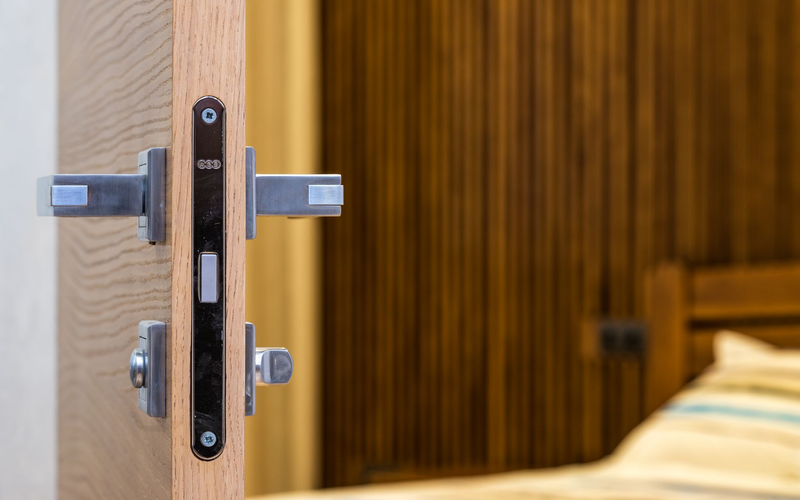
Insurance is equally important. A professional emergency locksmith should carry both general liability insurance and workers' compensation coverage. This protects you from liability if the locksmith is injured on your property or accidentally damages your door, lock, or vehicle during service. Ask for proof of insurance before allowing any work to begin.
Additionally, bonding provides another layer of protection. A bonded locksmith has purchased a surety bond that compensates customers if the locksmith fails to complete work properly or acts dishonestly. While not always required, bonding demonstrates a locksmith's commitment to professional standards and customer protection.
24/7 Availability and Rapid Response Times
A true emergency locksmith service operates around the clock, 365 days a year. Lockouts don't happen on a convenient schedule—they occur at midnight, on holidays, and during severe weather. When evaluating a locksmith service, confirm they offer genuine 24-hour emergency services, not just business hour appointments.
Response time is another crucial consideration. A professional emergency locksmith serving the La Habra area should be able to reach you within 20-30 minutes under normal circumstances. Local locksmiths have a significant advantage here—they're already in your community and can respond much faster than distant companies or national chains that dispatch from far away.
Be wary of locksmiths who can't provide an estimated arrival time or who give vague answers about their location. Scam locksmiths often claim to be local but are actually dispatching technicians from distant locations, leading to long wait times and potential bait-and-switch pricing tactics.
When you call, the locksmith should ask for your specific location and be able to give you a realistic timeframe. They should also provide updates if they're running late. This communication demonstrates professionalism and respect for your time.
Transparent and Upfront Pricing
Pricing transparency separates professional locksmiths from scam artists. A reputable emergency locksmith will provide a detailed estimate over the phone before arriving at your location. While the final cost may vary slightly based on the actual work required, there should never be shocking surprises when the bill arrives.
When requesting a quote, provide as much detail as possible about your situation:
- Type of lock (deadbolt, knob lock, smart lock, etc.)
- Brand and model if known
- Type of door or vehicle
- Whether you have a key or are completely locked out
- Time of day (emergency after-hours rates may apply)
Typical emergency locksmith costs in La Habra range from $75 to $200 for standard lockouts, depending on the time of day and complexity. More complex jobs like lock rekeying, installation, or high-security systems will cost more. A professional locksmith will break down costs clearly:
- Service call or trip charge
- Labor costs
- Parts and materials
- After-hours or emergency fees if applicable
Local Presence and Reputation
Choosing a local locksmith with an established presence in La Habra offers numerous advantages. Local businesses have reputations to protect within their community and are more likely to provide honest, quality service. They're also more accessible if you need to follow up or have concerns after service.
Verify the locksmith has a legitimate physical address—not just a P.O. box or virtual office. The address should match what appears on their website, business listings, and license information. For La Habra residents, working with a locksmith who operates from a local address like 201 E La Habra Blvd ensures you're dealing with a genuine local business rather than a call center that dispatches unlicensed technicians.
Check online reviews across multiple platforms including Google, Yelp, and the Better Business Bureau. Look for:
- Consistent positive feedback about pricing transparency
- Comments about technician professionalism and expertise
- Reviews mentioning quick response times
- Evidence the business responds to both positive and negative reviews
Professional Equipment and Branded Vehicles
When the locksmith arrives, their appearance and equipment tell you a lot about their professionalism. A legitimate emergency locksmith will arrive in a clearly marked vehicle displaying the company name, logo, and contact information. This visibility demonstrates the business stands behind its work and isn't trying to operate anonymously.
The technician should be in uniform or at least wearing identification that matches the company name. They should present a business card and be willing to show their license upon request. If someone shows up in an unmarked vehicle with no identification, don't let them begin work.
Professional locksmiths invest in quality tools and equipment. While you may not be an expert, you can observe whether the technician has organized, professional-grade tools rather than improvised implements. Modern locksmiths use specialized tools designed to open locks without causing damage whenever possible.
Drilling a lock should be a last resort, not the first option. If a locksmith immediately suggests drilling without attempting other methods, they may lack the skills to properly pick or bypass the lock. Drilling unnecessarily costs you more money and damages your lock beyond repair.
Expertise Across Multiple Lock Types
A professional emergency locksmith should demonstrate expertise across a wide range of lock types and security systems. During your initial phone call, gauge their knowledge by asking about your specific situation. They should be familiar with:
- Residential locks (deadbolts, knob locks, smart locks)
- Commercial security systems (access control, master key systems, high-security locks)
- Automotive locks (traditional keys, transponder keys, key fobs, ignition cylinders)
- Safe opening and servicing
- Electronic and digital locking systems
Experienced locksmiths also stay current with evolving technology. With smart locks and keyless entry systems becoming increasingly common in La Habra homes and businesses, your locksmith should understand both traditional and modern security solutions.
Clear Communication and Customer Service
Exceptional customer service begins with your first phone call. A professional locksmith company will answer calls promptly, even during emergencies. The person answering should be knowledgeable, courteous, and able to gather necessary information efficiently.
During the call, you should receive:
- Clear answers to your questions
- An estimated arrival time
- A detailed price quote
- Information about the technician who will serve you
- The company's callback number
After completing the work, a professional will explain what was done, provide tips for preventing future lockouts, and give you a detailed invoice. They should also offer warranty information on parts and labor.
Red Flags: Warning Signs of Locksmith Scams
Knowing what to avoid is just as important as knowing what to look for. Be alert for these warning signs that indicate a potential scam or unprofessional service:
No Physical Address: Locksmiths who only provide a phone number without a verifiable physical address are often scam operations running multiple fake listings.
Arriving in Unmarked Vehicles: Legitimate businesses invest in branded vehicles. An unmarked car suggests the operation may not be licensed or legitimate.
Demanding Cash Only: While some locksmiths prefer cash, refusing to accept credit cards or checks entirely is suspicious. Card payments provide consumer protections and create documentation.
Significant Price Increases: If the final bill is dramatically higher than the quoted estimate without clear explanation of additional work, you're likely being scammed.
Pressure to Replace Rather Than Repair: Some dishonest locksmiths push unnecessary lock replacements to inflate bills. A professional will repair or rekey when possible.
No License or Identification: Refusing to show credentials or provide license numbers is an immediate red flag. End the interaction and find another locksmith.
Generic Company Names: Names like "Locksmith" or "Emergency Locksmith" without any distinguishing information may be fake listings designed to intercept calls.
Requiring Signatures on Blank Forms: Never sign blank authorization forms or invoices. The locksmith could fill in any amount after you've signed.
Specialty Services and Advanced Capabilities
Beyond basic lockout services, a well-established professional locksmith should offer comprehensive solutions for various security needs. This breadth of services indicates experience, investment in training, and commitment to serving the community's complete locksmith needs.
Look for locksmiths who provide:
Rekeying Services: Changing locks so old keys no longer work, ideal after moving into a new home or after losing keys.
Master Key Systems: For commercial properties or multi-unit buildings requiring hierarchical access control.
Lock Installation and Upgrades: Including high-security locks, smart locks, and deadbolts.
Safe Services: Opening, installing, and servicing safes of various types.
Access Control Systems: Electronic systems managing entry to commercial properties.
Security Consultations: Assessing your property's vulnerabilities and recommending improvements.
Key Duplication and Programming: Including traditional keys, transponder keys, and key fobs.
This range of services demonstrates that the locksmith isn't just capable of basic lockouts but can handle complex security challenges. It also means you can develop an ongoing relationship with one trusted provider for all your security needs.
Understanding Locksmith Costs in La Habra
Pricing transparency extends to understanding what's reasonable for various services. While exact costs vary based on specifics, having a general framework helps you identify fair pricing versus price gouging.
Emergency Lockout Services: Standard residential lockouts typically range from $75-$150 during business hours, with emergency after-hours service adding $50-$100 to the base price. Automotive lockouts may cost slightly more, especially for newer vehicles with transponder keys.
Rekeying Services: Rekeying a single lock usually costs $20-$30, with the first lock sometimes including a service call fee. Rekeying multiple locks in one visit provides better per-lock value.
Lock Installation: Installing a standard deadbolt costs $100-$200 including the lock and labor. High-security locks cost more due to the hardware expense.
Key Duplication: Traditional key copies cost $2-$6 each. Transponder key programming ranges from $50-$200 depending on vehicle make and model.
Service Call Fees: Many locksmiths charge a service call or trip fee of $50-$75, which covers their travel time and is typically applied toward your total bill.
Compared to dealership services, especially for automotive needs, locksmiths typically offer significant savings. Dealerships often charge premium prices for key replacement and programming, sometimes two to three times what a professional locksmith charges for identical services.
Questions to Ask Before Hiring
When contacting an emergency locksmith, asking the right questions helps you assess their professionalism and legitimacy. Don't feel awkward about asking detailed questions—reputable locksmiths expect informed customers and appreciate the opportunity to demonstrate their credentials.
Essential questions include:
1. What is your license number? Verify this with the state licensing board.
2. Are you insured and bonded? Ask for proof and the name of their insurance carrier.
3. What is your physical business address? Verify it matches online listings and license records.
4. How quickly can you arrive? A realistic timeframe shows honesty.
5. What will this service cost? Get a detailed breakdown including all fees.
6. Will the price change once you arrive? Understand circumstances that might affect final costs.
7. What payment methods do you accept? Multiple payment options indicate legitimacy.
8. Do you offer a warranty on your work? Professional locksmiths stand behind their services.
9. Can you provide references? Established businesses should have satisfied customers willing to vouch for them.
10. What happens if the lock can't be opened? Understand their process and whether you still owe the service call fee.
Their responses to these questions will reveal much about their professionalism, transparency, and legitimacy.
Why Local Matters: The La Habra Advantage
Choosing a locksmith with deep roots in La Habra offers advantages beyond quick response times. Local businesses understand the specific security challenges facing our community, from the mix of older and newer homes to the commercial properties along La Habra Boulevard and beyond.
Local locksmiths are familiar with the types of locks commonly found in La Habra properties. They understand local building codes and can recommend security solutions appropriate for our area. They're also invested in maintaining their reputation within the community—their neighbors and friends are their customers.
When you work with a local locksmith, you're supporting a small business that contributes to La Habra's economy, potentially employs local residents, and participates in community events. This local connection creates accountability and ensures the business will be there when you need follow-up service or have questions months or years later.
Moreover, local locksmiths can become your long-term security partner. Whether you need emergency lockout service today, want to upgrade your home security next month, or require rekeying services when you sell your house in the future, having an established relationship with a trusted local locksmith provides peace of mind.
Preparing for Future Emergencies
While this guide helps you choose a professional emergency locksmith during a crisis, the best approach is preparing before you actually need emergency services. Taking a few preventive steps now can reduce stress during future lockouts.
Save Contact Information Now: Research and identify a reputable local locksmith before an emergency occurs. Save their number in your phone and write it down in your wallet. When you're locked out and stressed, you won't have to frantically search online while vulnerable to scam listings.
Keep Spare Keys Strategically: Give a spare key to a trusted neighbor, family member, or friend. Avoid hiding keys in obvious places like under doormats or in fake rocks—thieves know these hiding spots.
Regular Lock Maintenance: Have your locks inspected periodically